Plants in Every Room

James Carter
| 12-08-2026
 · Lifestyle Team
Hi, Readers! Bringing green plants into an indoor space is a little like inviting cheerful roommates who never hog the remote.
They soften hard corners, make shelves look less lonely, and give a room that lived-in, cared-for feeling. The trick is not to treat every room the same.
A sunny window ledge and a dim hallway are about as alike as toast and soup, so the best plant choice depends on the light, humidity, and the way you use the space every day.
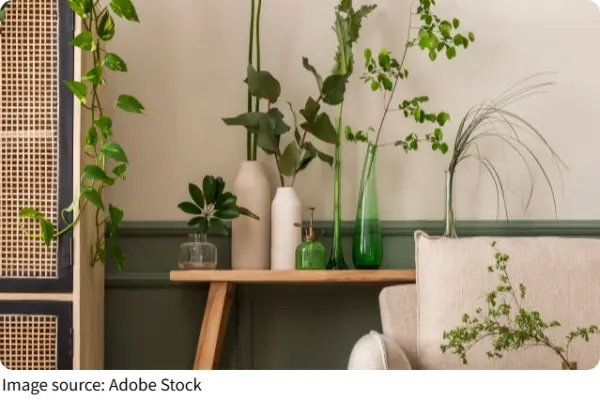
A smart way to blend plants into a home is to use them as part of the room's structure, not just as decoration sprinkled on top. A tall plant can anchor an empty corner the way a floor lamp does. Trailing plants can loosen up a stiff bookshelf. Smaller containers work well on side tables, desks, windowsills, and bathroom counters. It also helps to repeat materials and colors. If your room has warm wood and soft neutral fabrics, terracotta or cream planters will feel right at home. If the space looks sleek and modern, simple ceramic containers can keep the whole scene from turning into a leafy yard sale.
Living room picks
The living room usually gives you the most flexibility, which is great because it often has the most visual space to fill. If the room gets bright indirect light, plants like monstera, rubber plant, fiddle-leaf fig, or bird of paradise can work as statement pieces. For medium light, pothos, philodendron, and ZZ plant are dependable choices that do not act dramatic the minute conditions are less than perfect. Place a larger plant near a window, tuck a medium one beside a chair, and let a trailing variety spill from a shelf or console table. This layered look keeps the room feeling natural instead of looking like one lonely plant got dropped there by accident.
Bedroom choices
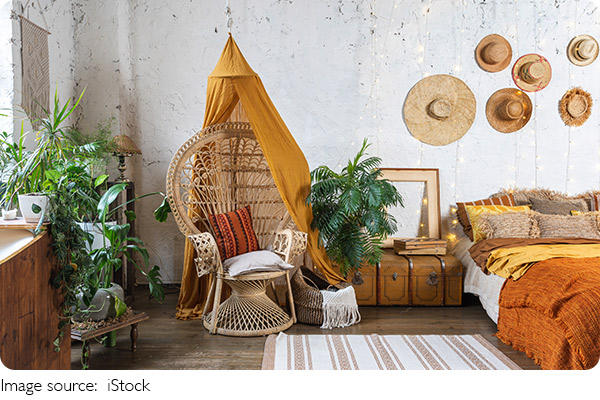
Bedrooms usually call for a calmer mood, so plants with softer shapes or simple care needs tend to fit best. Snake plant, peace lily, pothos, and heartleaf philodendron are common choices because they handle typical indoor conditions well. A bedroom plant should not crowd your nightstand like an overpacked travel bag. One small container on a dresser, one trailing plant on a shelf, or one upright plant in a quiet corner is often enough. If your bedroom gets limited light, go for low-light tolerant picks rather than forcing a sun-loving plant to live a miserable windowsill life.
Kitchen friendly plants
Kitchens can actually be great plant spots because they often get decent light and regular moisture in the air. Herbs are a natural fit if the space is bright enough, especially basil, parsley, mint, and chives. If you want something more decorative, pothos, spider plant, and aloe can also do well in many kitchens. Keep plants out of the path of heat and splatter from the stove, and use windowsills, open shelving, or a small corner of the counter where they will not be constantly bumped. In a compact kitchen, hanging planters can save space and add greenery without stealing precious work surfaces.
Bathroom matches
Bathrooms are the spa section of the house for certain plants, thanks to the higher humidity. Ferns, pothos, peace lily, and some calathea varieties often appreciate that extra moisture. If the bathroom has a window, you have more options. If it has little natural light, choose plants known for tolerating lower light or use the room for a plant only part of the time. A small container on the vanity, a hanging plant near the window, or a leafy plant on the back of a shelf can make the room feel fresher and less purely functional, which is a nice upgrade for a place where the mirror already judges enough.
Home office and study areas
A work space can benefit from plants that stay tidy and do not demand constant attention. ZZ plant, snake plant, pothos, and small succulents are often easy to place on desks, filing cabinets, or nearby shelves. A plant in a home office can soften all the straight lines from screens, desks, and storage. It is best to keep the scale sensible. One compact plant beside your monitor or one medium plant near the desk usually works better than turning the work area into a mini jungle that distracts you every five minutes.
Hallways and low-light spots
Hallways, entryways, and corners without much sun need practical choices. Snake plant, ZZ plant, cast-iron plant, and pothos are often the safest bets. In these areas, planters matter just as much as plants because they help greenery feel intentional. A narrow console with a compact plant, a bench with one sculptural container, or a tall plant at the end of a hallway can make these overlooked spots feel finished. Just do not expect a light-hungry plant to thrive there. That is like asking a beach lover to enjoy a windowless closet.
Bringing plants into indoor spaces works best when you match the plant to the room instead of trying to force one leafy favorite everywhere. Look at light, space, and humidity first, then use plants to fill corners, shelves, desks, and windows in a way that feels easy and balanced. Start small, notice what does well in each room, and let your home grow greener one spot at a time.