Tea Leaf Wisdom

Lucas Schneider
| 09-06-2026
 · Lifestyle Team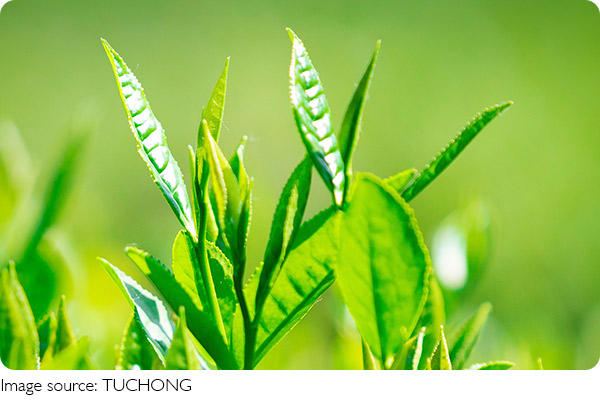
Tea Leaf Wisdom
A woman plucking tea leaves on an African plantation offers more than a peaceful view of rolling green fields. Her careful movements reveal the skill, patience, and tradition behind every cup of tea.
Lykkers, as you surely know, tea does not simply fall from the sky in a tidy package ready for the shop shelf. It begins in the soil, shaped by rainfall, sunlight, timing, and the practiced hands that select each leaf. Lykkers, taking a closer look at this process can turn an ordinary cup of tea into a deeper appreciation of the people and landscapes behind it.
See the Tea Field
A tea plantation may look calm from far away, but close up it is full of movement and knowledge. When you understand how tea leaves are selected, the scene becomes richer, more human, and much more interesting.
Notice the skill in the hands
Tea plucking is not random picking. Skilled workers usually look for the tender top growth, often the young bud and nearby leaves. These fresh tips carry the delicate flavor that later shapes tea quality.
You can imagine the focus needed. The worker moves through rows, scans the plant quickly, chooses the right shoots, and places them carefully into a basket. This repeats again and again, yet each choice matters.
That is the first lesson from the tea field: small actions repeated with care can create something meaningful.
Understand the rhythm of the land
Tea grows best in places with suitable rainfall, mild temperatures, and well-drained soil. Many African tea regions sit in highland areas where cooler air and rich soil support strong growth.
The woman in the field is working with nature, not against it. Her day depends on light, rain, season, and plant condition. Too much heat, too much rain, or poor timing can affect the harvest.
And as you know, Lykkers, it is a useful piece of life wisdom. Good results often come from understanding the conditions first. The land teaches us patience before productivity.
Look at the rows differently
Tea fields are often planted in neat rows or shaped bushes that create a rolling green pattern. This makes harvesting easier and helps workers move through the area efficiently.
From a distance, the field may look like soft green waves. From inside the rows, it is a working landscape. There are paths, baskets, tools, shade breaks, and a steady rhythm of movement.
Next time you see a tea plantation photo, pause for a moment. Look for the direction of the rows, the height of the bushes, and the posture of the worker. The image becomes a story instead of a postcard.
Respect the labor behind tea
A cup of tea can feel simple, but the work behind it is demanding. Plucking requires long hours, strong attention, and physical endurance. Workers often stand, bend, reach, and carry collected leaves through changing weather.
This does not make tea less enjoyable. It makes it more worthy of respect. When you drink tea slowly, you recognize the human effort inside something ordinary.
A nice habit is to take one quiet sip before adding anything else. Notice aroma, color, warmth, and taste. That small pause honors the journey from field to cup.
Know why freshness matters
Freshly plucked leaves begin changing soon after harvest. That is why tea processing usually starts quickly. Depending on the tea type, leaves may be withered, rolled, oxidized, dried, or sorted.
The quality of the final drink begins with leaf selection. Good processing cannot fully rescue poor raw leaves. In the same way, many life projects begin with the first choice. Better input often gives better results later.
Bring Tea Lessons Home
You do not need to stand in a tea field to learn from this scene. You can use its lessons in daily life through mindful drinking, better buying choices, gentle routines, and deeper appreciation for people behind everyday goods.
Create a slow tea moment
Tea can become a small daily reset. Boil water, warm the cup, add tea, and wait with attention. Avoid rushing the steeping time. Different teas need different water temperatures and brewing minutes, so read the package and adjust.
Use this moment as a pause. While the leaves open, let your shoulders relax. Watch the color deepen. Smell the steam. A simple drink becomes a small ritual when you give it attention.
This works even on busy days. Three calm minutes can change the tone of an afternoon.
Try a tea tasting game
Make tea more fun by tasting two types side by side. Choose green tea, black tea, oolong, white tea, or herbal blends. Compare color, aroma, flavor, and aftertaste.
Write down simple words: grassy, floral, earthy, sweet, bright, strong, gentle, smooth. You do not need expert language. Your own words are enough.
Invite friends or family to join. Each person can describe the tea differently. Someone may say one tastes like morning sunshine. Someone else may say it tastes like wet leaves and homework. Both answers add fun.
Buy with more awareness
When choosing tea, look for details such as origin, tea type, harvest style, and packaging date when available. Loose-leaf tea often lets you see leaf shape and quality more clearly, while tea bags offer convenience.
Consider supporting brands that share transparent sourcing or fairer trading practices. The goal is not perfection. The goal is more awareness.
Every purchase is a tiny vote for the kind of food system you want to support. Tea becomes more meaningful when the people behind it are not invisible.
Use tea leaves creatively
After brewing, used tea leaves can still have purpose. Let them cool, then add them to compost if suitable for your garden system. Some people also use cooled tea as a gentle plant drink for acid-loving plants, but it should be used lightly and not every day.
You can also place dried used leaves in a small bowl to absorb mild odors in closed spaces. Keep it clean and replace regularly.
This makes the tea ritual feel less wasteful and more connected to the natural cycle.
Learn through map curiosity
Find African tea-growing regions on a map. Kenya, Malawi, Tanzania, Rwanda, and Uganda are among countries known for tea production. Look at their landscapes, elevations, and climates.
This turns a cup of tea into geography. Children may enjoy tracing the journey from plantation to factory, port, shop, kitchen, and cup.
Lykkers, everyday items become more exciting when you know where they travel from.
Appreciate women in agriculture
The image of a woman plucking tea leaves reminds us that women contribute greatly to agricultural work around the world. Their skill supports families, local economies, and food traditions.
When we speak about tea, coffee, fruit, flowers, or spices, it is worth remembering the people whose hands make these products possible. Respect begins with seeing them clearly.
A simple article, photo, or tea session can open a deeper conversation about work, dignity, and appreciation.
Turn tea into connection
Tea is one of the easiest ways to gather people. You can host a small tea afternoon, share a new flavor, or invite someone to sit for ten minutes.
Keep it relaxed. A clean cup, warm drink, and kind conversation are enough. No fancy setup required.
The woman in the plantation may be far away, but her work can still connect people at a table. That is one quiet power of tea.
An African woman plucking tea leaves on a plantation shows patience, skill, and the hidden journey behind every cup. Lykkers, by noticing the labor, choosing tea thoughtfully, and creating slower tea moments, you turn a daily drink into a richer lifestyle ritual. Tea begins in green fields, but its meaning can continue in your own hands.