Flower Freshness

Santosh Jha
| 26-04-2026
 · Food Team
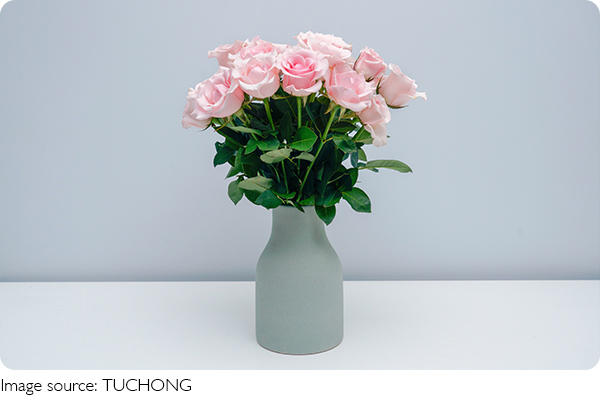
A fresh bouquet can brighten a room instantly, but within a few days, petals often start to droop and water turns cloudy.
It feels like a short-lived joy—but behind this process, there's real plant science.
Cut flowers are still “alive” in a sense, and how you treat them after cutting makes a huge difference in how long they stay fresh.
Why Flowers Wilt
Once flowers are cut, they lose their natural water source. Stems continue trying to absorb water, but air bubbles and bacteria can block this process.
Main causes of wilting include:
• Loss of water uptake through stems
• Bacterial growth in vase water
• Heat and sunlight speeding up aging
• Dehydration of petals and leaves
Understanding these factors helps explain why simple care steps matter so much.
Clean Cutting Makes a Big Difference
The way stems are cut affects how well flowers absorb water. A clean cut improves hydration immediately.
Best practices:
• Trim stems at an angle to increase surface area
• Cut under running water or submerged to avoid air entry
• Use sharp tools to prevent crushing stem tissue
• Re-trim every few days for better absorption
This small adjustment helps keep water flowing efficiently.
Water Quality Matters
Fresh, clean water is essential for extending flower life. Dirty water encourages bacterial growth, which blocks stems.
Helpful tips:
• Change water every 1–2 days
• Use room temperature water for most flowers
• Clean the vase before refilling
• Remove leaves below water level
Keeping the water clear slows down decay and keeps stems healthy.
Natural Additions That Help
Some simple ingredients can reduce bacteria and improve freshness without harming the flowers.
Common additions include:
• A small amount of sugar for energy support
• A few drops of lemon juice to balance water conditions
• A pinch of salt in very small amounts
• Commercial flower food when available
These help maintain a stable environment for the stems.
Temperature and Placement
Where you place flowers affects how quickly they age. Heat and direct light speed up water loss.
Ideal conditions:
• Keep away from direct sunlight
• Avoid placing near heat sources
• Choose a cool, stable room temperature
• Move away from ripening fruit (which releases gases that affect flowers)
A stable environment slows down the natural aging process.
Hydration Techniques That Work
Different flowers absorb water at different speeds. Helping them adjust after cutting improves longevity.
Useful steps:
• Let stems rest in water immediately after cutting
• Mist petals lightly for delicate flowers
• Recut stems if they start to droop
• Remove wilted leaves promptly
These small actions support steady hydration.
Common Mistakes to Avoid
Even well-intentioned care can sometimes reduce freshness.
1. Leaving leaves in water
Encourages bacteria growth quickly.
2. Using unclean containers
Affects water quality immediately.
3. Overfilling with flowers
Reduces water circulation.
4. Ignoring daily checks
Small changes can go unnoticed until wilting starts.
Keeping Flowers Fresh Longer
Cut flowers don't last forever, but proper care can significantly extend their beauty. Clean water, careful trimming, and a stable environment all work together to slow down natural aging.
With a few simple habits, a bouquet can stay vibrant for days longer, turning a short-lived decoration into something that brings steady brightness to everyday spaces.