Rock Climbing for Beginners

Owen Murphy
| 02-03-2026
 · Sport Team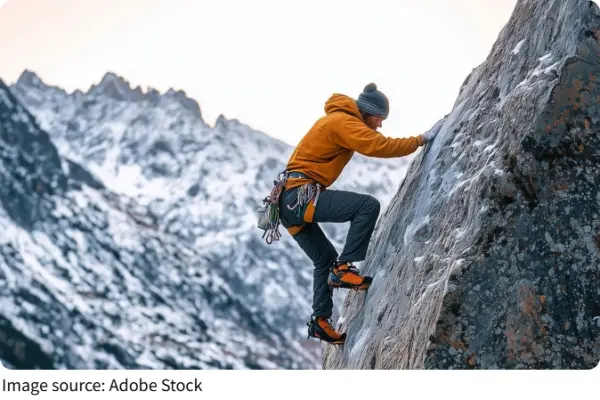
The first time you grip a climbing hold and feel your weight shift to your fingertips, a rush of focus and adrenaline hits you.
Rock climbing, whether on indoor walls or natural cliffs, combines strength, strategy, and mental resilience.
For newcomers, the activity may seem daunting—heights, complex routes, and unfamiliar gear can feel intimidating. Yet, with the right preparation and understanding, anyone can start safely and enjoy the challenge of scaling vertical surfaces.
Understanding the Basics
1. Types of Climbing
Before stepping onto a wall, familiarize yourself with climbing styles. Bouldering involves short, intense routes without ropes but with crash pads for safety. Top-rope climbing uses a rope anchored above, providing security for beginners. Lead climbing, usually reserved for more experienced climbers, requires clipping into protection as you ascend. Choosing the right type helps match your current skill level and comfort.
2. Essential Gear
Proper equipment ensures safety and comfort. Beginners should start with climbing shoes that fit snugly, a harness, a belay device, and a helmet. Chalk improves grip, and a rope is necessary for top-rope or lead climbing. Many gyms offer rental gear, allowing beginners to test equipment before investing. Understanding how each piece works and practicing proper use is critical.
3. Safety Knowledge
Safety is the foundation of climbing. Learn how to tie a figure-eight knot, check harness buckles, and use belay devices correctly. Always perform a partner safety check before ascending. Understanding fall dynamics, communication commands, and spotting techniques can prevent accidents and build confidence.
Learning Technique
1. Footwork First
Strong legs and precise foot placement reduce fatigue and improve stability. Focus on placing your toes on holds, keeping heels down when possible, and moving deliberately rather than relying solely on upper body strength. Small adjustments in foot positioning can drastically affect balance.
2. Handholds and Grip
Different grips—crimps, jugs, slopers—require varying finger strength and technique. Beginners should practice open-hand grips and avoid over-gripping to conserve energy. Learning when to pull, push, or smear can make routes more manageable.
3. Body Positioning and Movement
Engage your core to maintain body tension and stay close to the wall. Twisting your hips, extending your reach, and maintaining three points of contact—two feet and one hand, or two hands and one foot—enhances control. Fluid movement reduces strain and allows smoother ascents.
Building Strength and Confidence
1. Climbing Drills
Simple drills like traversing a wall horizontally or practicing foot placements improve balance and coordination. Repetition helps build muscle memory, so movements become instinctive under pressure.
2. Incremental Challenges
Start with easier routes and gradually progress to more difficult ones. Focus on completion rather than speed. Achieving small milestones increases confidence and encourages consistent improvement.
3. Mental Focus
Climbing is as much mental as physical. Visualize each move, plan your route before starting, and stay calm during challenging sections. Controlled breathing and mindfulness can reduce fear and enhance performance.
Embarking on your rock climbing journey opens the door to adventure, fitness, and personal growth. By starting with foundational techniques, prioritizing safety, and progressing thoughtfully, beginners can experience the thrill of scaling walls while building strength and confidence. Every ascent, no matter how small, represents a personal achievement—one that lays the groundwork for more ambitious climbs in the future.